Why does the end of night prep closeout matter as much as the morning list?
The morning list is only as good as the numbers it starts from. A ten-minute closeout at the end of service is what keeps tomorrow's prep honest, the walk-in clean, and the opening cook from starting blind.
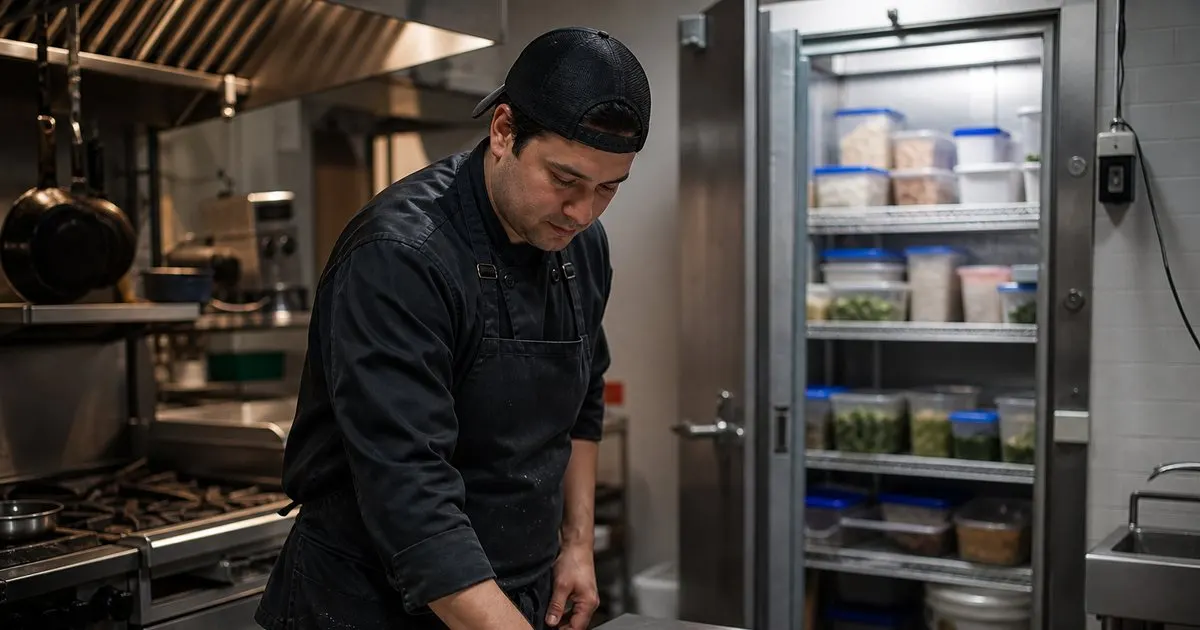
Tomorrow's list is built from tonight's numbers
Every par-based prep sheet starts with the same question: what is on hand right now? If that count happens at 7 a.m. by a cook who just walked in, it is done in a hurry, in a cold walk-in, before coffee, and it competes with starting the long tasks. If it happens at close by the people who just used the product all night, it is faster, more accurate, and it gives the morning cook a list that is already right when they arrive. Related: How do you build a daily prep list from par levels the right way?
The closeout count does not need to be a full inventory. It covers the prep items on the sheet, in the counting unit the sheet uses, by someone who knows what a full container looks like. Ten to fifteen minutes for most kitchens. The payoff is that the morning list can be generated or reviewed before anyone is on the clock, and the first hour of the day goes to cooking rather than to counting. Related: What is the fastest way to count prep on hand and stay accurate?
Keep reading: How do you build a daily prep list from par levels the right way?, What causes over prep and under prep, and how do you stop both?, How should you assign prep tasks across stations so nothing gets missed?. See how PrepDeckr helps you kitchen prep lists and par-based prep sheets.
What a closeout actually covers
Beyond the count, the closeout is where the line reports what it learned during service. Which items ran out and when. Which items were barely touched. Anything that was 86'd, anything a guest complained about, anything that looked or smelled off. These notes are the qualitative half of the par review, and they evaporate by morning if they are not written down while the shift is fresh.
The closeout also checks the physical state of the walk-in: containers labeled and dated, anything past its use-by date pulled and logged, items consolidated so a half-empty container is not sitting next to a fresh one. A walk-in that is organized at close makes the morning count faster and prevents the classic mistake of prepping an item that was there all along, hidden behind something else.
Make it a fixed part of the closing sheet
The reason closeouts get skipped is that they are treated as optional and the closer is tired. Put the count and the notes on the closing checklist next to the cleaning tasks, with the same expectation that it is done every night. Assign it to a specific role, usually the closing lead, and make it the last thing before they leave rather than something squeezed between breaking down stations. Related: How should you assign prep tasks across stations so nothing gets missed?
Keep the format identical every night: the same items in the same order as the morning sheet, a column for on hand, a column for run-outs and notes. Consistency is what makes it quick. A closer who has done the same fifteen-minute routine fifty times does not think about it, and the morning cook can trust it because it always looks the same. We built PrepDeckr around par-based sheets, and the closeout count is the step that makes those pars mean anything.
The handoff is where prep problems become visible
When the morning cook opens with last night's count and notes in hand, gaps show up immediately. If the count says twelve portions and the walk-in has six, either the count was wrong or something happened overnight, and both are worth knowing. If the closer noted that the special ran out at 7:30 and the par was not changed, the morning cook can raise it before the same thing happens again.
Over a few weeks, the closeout notes become the best source of par adjustments you have, better than sales data alone, because they carry the context: it ran out because a table of twelve all ordered it, or it was untouched because it rained. The morning list tells the kitchen what to make. The closeout tells the kitchen whether yesterday's list was right. A kitchen that only does one of the two is guessing half the time. Related: How do you make a prep list any lead can run when you are out?
- Counting at close is faster and more accurate than counting at open, and it lets the morning list start correct.
- The closeout captures run-outs, untouched items, and quality notes while the shift is still fresh.
- Put the count and notes on the closing checklist with a named owner and an identical format every night.
- The morning handoff exposes count errors and par misses, and closeout notes become the main source of par adjustments.

Julien Jimenez
Julien Jimenez is an independent software builder based in Paris. He designs, ships, and operates focused SaaS products for small businesses and independent professionals. Read the full author page.
Build Prep Lists That Match The Day
Kitchen prep lists and par-based prep sheets. PrepDeckr is built to help you put this into practice.
Start free trialMore from the PrepDeckr blog
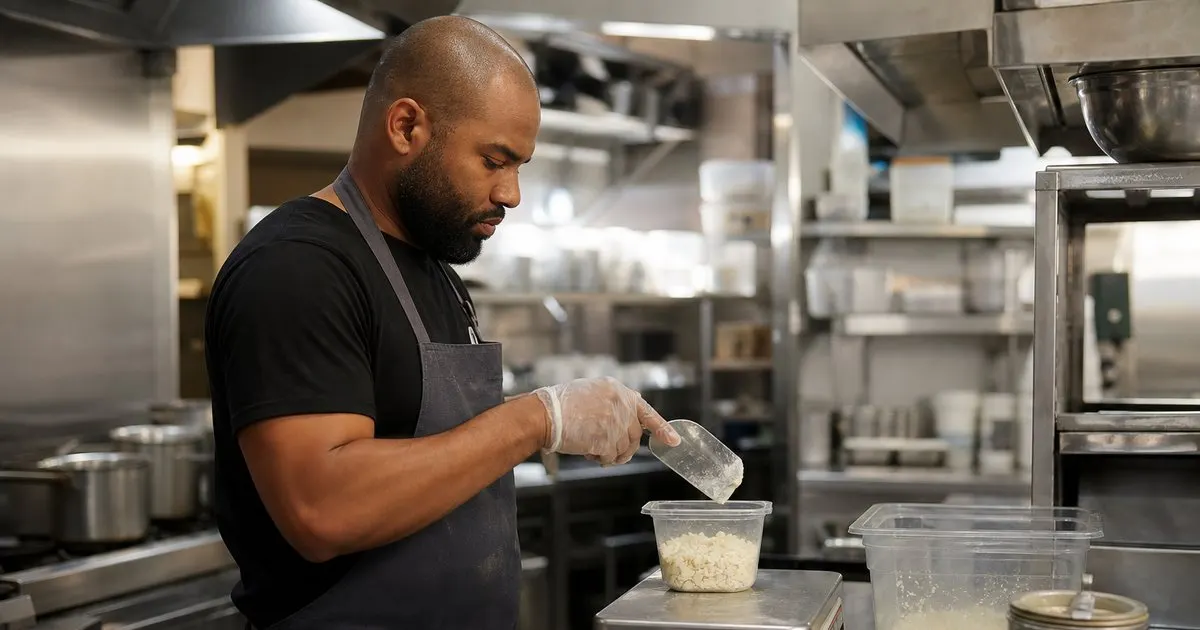
How do you build a daily prep list from par levels the right way?
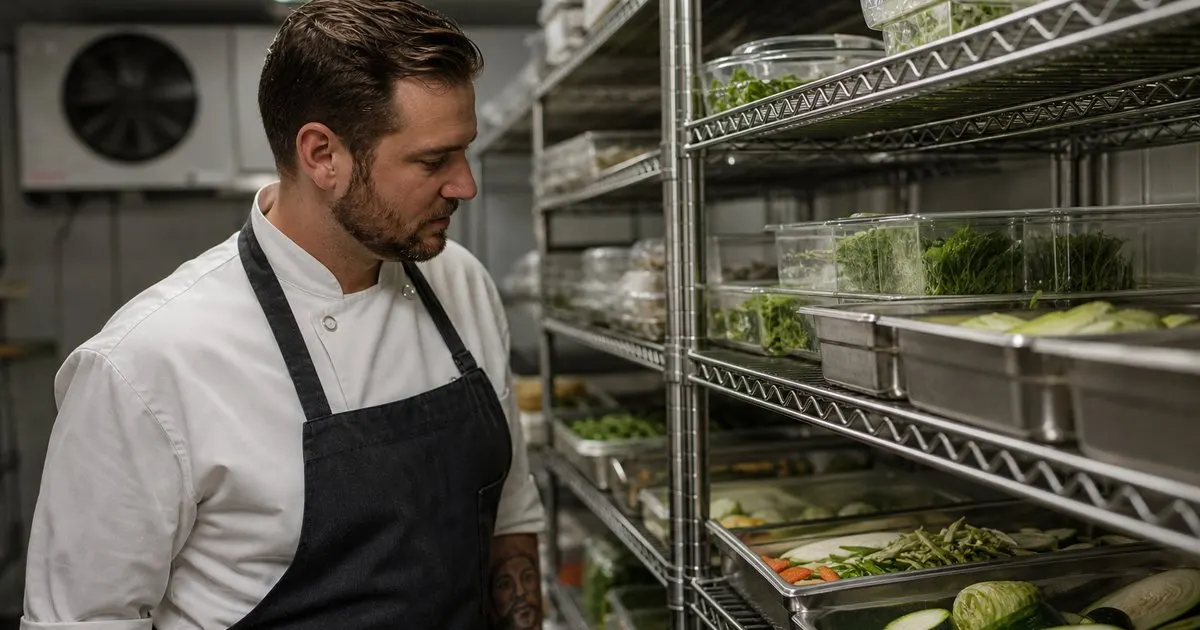
What causes over prep and under prep, and how do you stop both?
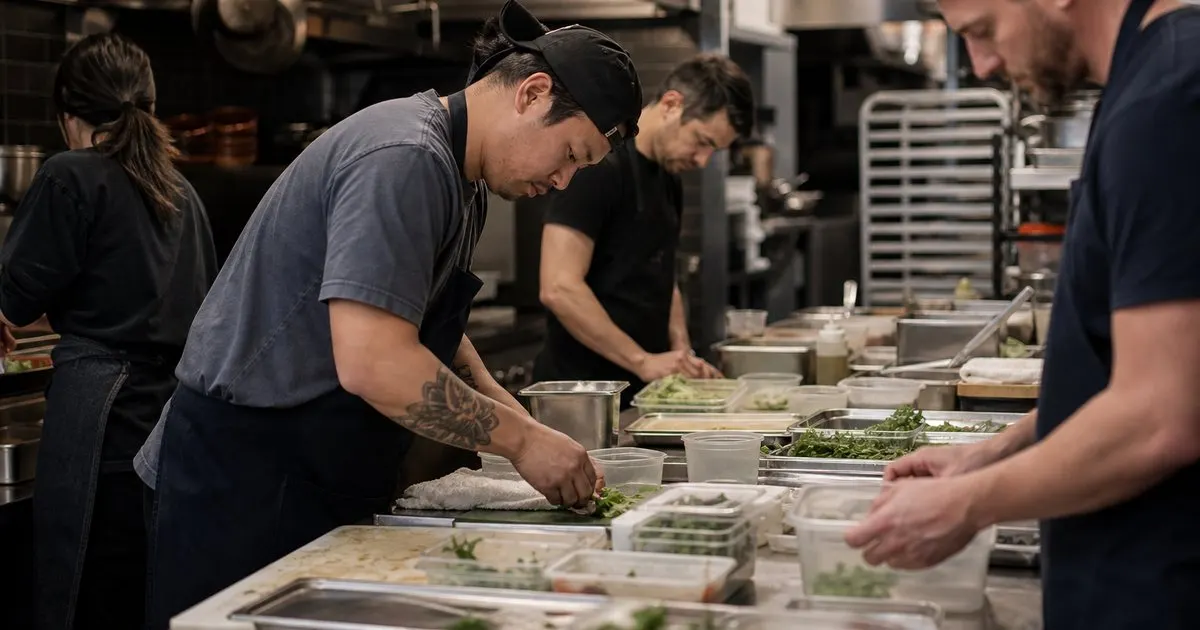
How should you assign prep tasks across stations so nothing gets missed?
Get the PrepDeckr playbook
Practical guides on kitchen prep and production, straight to your inbox as we publish them. No spam, unsubscribe any time.