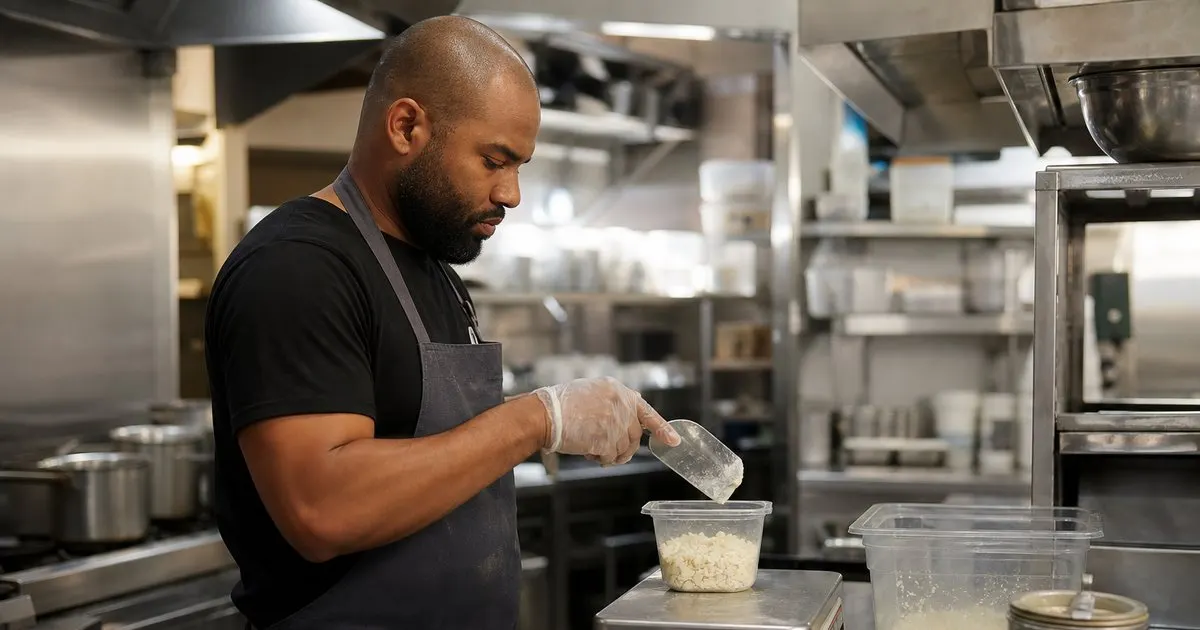
Kitchen Prep and Production
How do you build a daily prep list from par levels the right way?
Turn target pars and an on-hand count into an exact prep list every morning.
Practical, honest advice from the team behind PrepDeckr, written to help you do this well.
Turn target pars and an on-hand count into an exact prep list every morning.

Attack the two most expensive prep mistakes at their shared root.

Balance the morning workload so every item is ready before doors open.

Match your prep to how covers actually swing across the week.

Get the day's prep out of one person's head and onto a shared system.
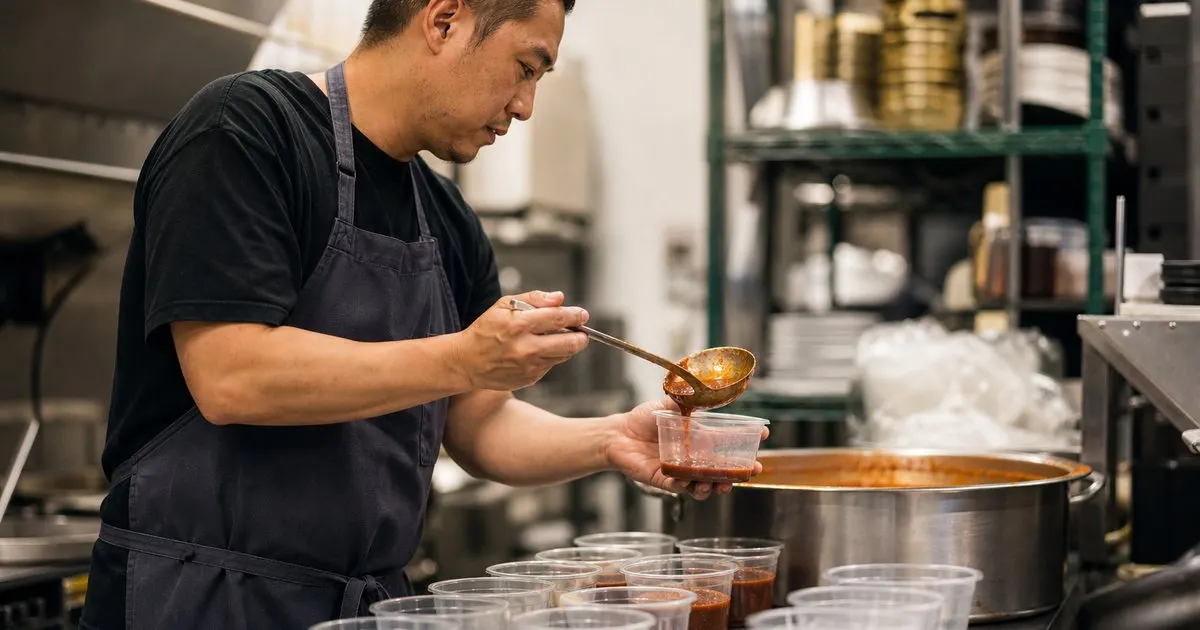
Bridge the gap between portions on the menu and pans in the kitchen.

Make the morning count quick enough to actually do every day.

Use what you actually prepped and used to sharpen your pars.

See where old prep tools break down as volume and staff grow.

A par tells you how much to have on hand. Shelf life tells you how much of that you are allowed to make in one batch. Here is how to make the two numbers agree on the sheet.

A sixty-top on a Tuesday does not replace your regular prep, it stacks on it. Here is how to add the party without breaking the line or over-prepping for the dining room.

The order you prep in matters as much as the list itself. Long cooks, cool-down time, and shared equipment decide the sequence, not the order items happen to appear on the sheet.

Most kitchens schedule prep by habit rather than by workload. Timing your tasks and tying hours to the day's list gives you a number you can defend to an owner and adjust as volume shifts.

Once a second location opens, prep stops being one kitchen's problem. Shared recipes, location-specific pars, and a clear split between what the commissary makes and what each store finishes are what keep the product the same.

A new prep cook does not need to memorize your menu in a week. They need to learn how your sheet works, where things live, and what done looks like for each item. Here is a day-by-day approach.

A new dish has no history, so the first par is always a guess. The trick is to make a small, deliberate guess before launch, then correct it quickly using the first two weeks of counts.
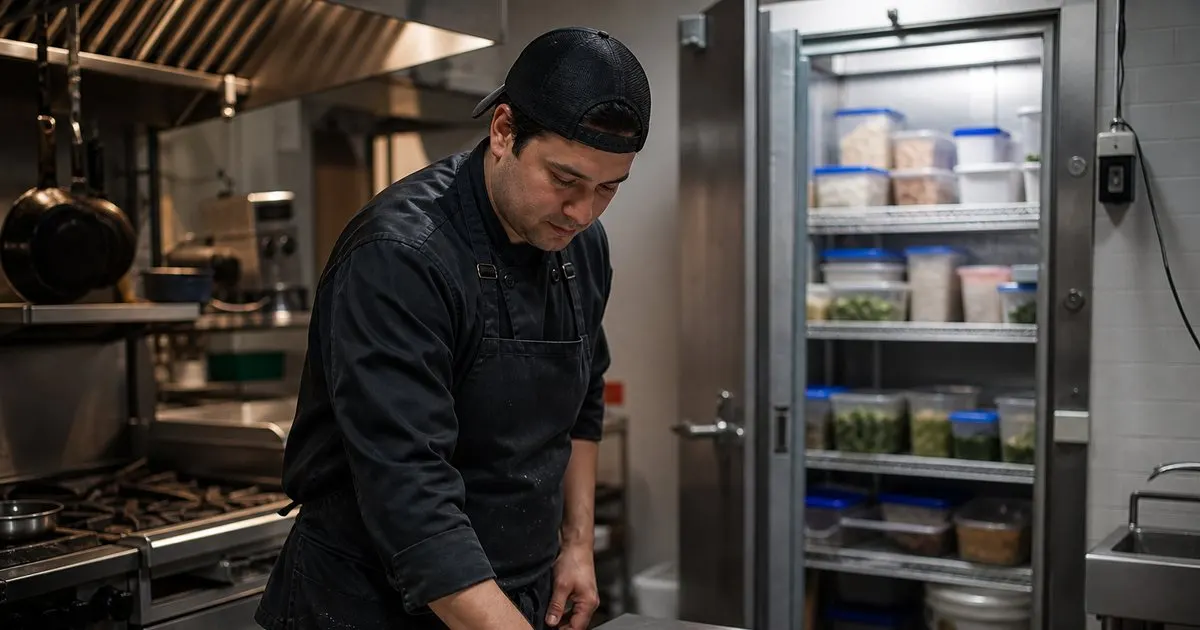
The morning list is only as good as the numbers it starts from. A ten-minute closeout at the end of service is what keeps tomorrow's prep honest, the walk-in clean, and the opening cook from starting blind.

The truck arrives, a case is missing, and the prep sheet was written assuming it would be there. Here is how to adjust the day in minutes rather than letting the shortage ripple into service.
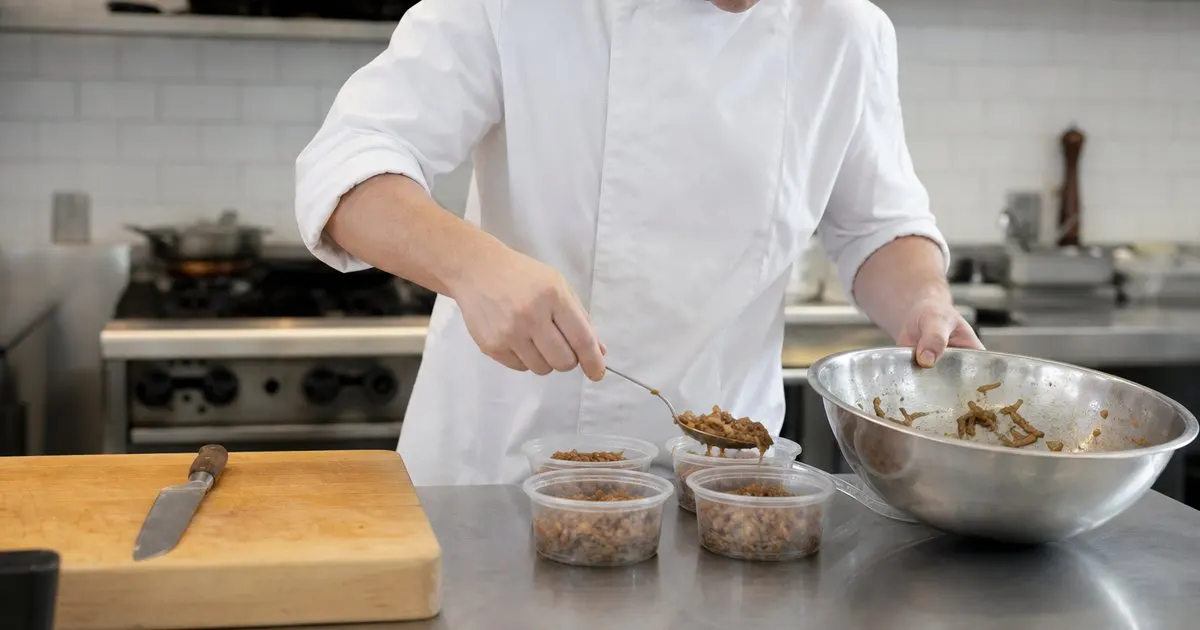
Shared components like caramelized onions, house sauce or braised mushrooms are the items most likely to run out and to get over prepped in the same week. Here is how to build one honest par from every dish that pulls from them.

Labeling and rotation are one system, not two chores. Here is what a label has to say, how to arrange a shelf so the oldest container is the easy one to grab, and how to keep the habit alive on a busy Saturday.