Which prep tasks should start first so every station is ready before service?
The order you prep in matters as much as the list itself. Long cooks, cool-down time, and shared equipment decide the sequence, not the order items happen to appear on the sheet.

Start with whatever takes the longest to finish
The first rule of sequencing is to start the tasks whose total time, including unattended time, is longest. A stock that simmers for hours, a braise that needs to cook and then cool, dough that has to rest, beans that soak and then cook. These items do not need constant attention, but they need the clock. If they start at 10 a.m. instead of 7 a.m., nothing else on the sheet can fix that. Related: How much prep labor does a restaurant kitchen really need on a given day?
Cooling time is the part most sheets forget. A large batch of soup might take an hour to make and two more hours to chill safely before it can be portioned and stored. If the sheet says "make soup" without saying "start by 8 so it is cold by noon," the cook will start it whenever it comes up, and the soup will still be warm when the walk-in needs to be organized for service. Write start-by times on long tasks, not just quantities. Related: How do you train a new prep cook to run a prep sheet in one week?
Keep reading: How do you build a daily prep list from par levels the right way?, What causes over prep and under prep, and how do you stop both?, How should you assign prep tasks across stations so nothing gets missed?. See how PrepDeckr helps you kitchen prep lists and par-based prep sheets.
Schedule around shared equipment
Most kitchens have one or two bottlenecks: a single oven, a single mixer, a slicer, a fryer that also has to be ready for service. If three tasks all need the oven and each takes an hour, they cannot be done in parallel no matter how many cooks you have. Sequence the oven tasks back to back from the start of the day, and give the cook other hand work to do while each tray is in.
Map each task to the equipment it needs, then look for conflicts before the day starts. Roasting vegetables, baking bread, and finishing a braise in the same oven means one order and one timeline. A sheet that lists them as three independent tasks hides that constraint until someone is standing at the oven door waiting. When you assign tasks, keep all the oven work with one person so the handoffs do not get lost.
Fill the gaps with quick, hands-on tasks
Once the long and equipment-bound tasks are placed, the remaining work is mostly knife work, portioning, and assembly. These tasks are flexible. They can be done in any order and interrupted without harm, which makes them perfect for the gaps while the oven is full or the stock is coming up. The sheet should make clear which tasks are flexible so a cook can pick one up between checks on a long task.
A useful habit is to list quick tasks in rough order of when the line needs them. Lunch garnishes before dinner garnishes, the busiest station's needs before the slowest station's. If the day gets away from you, the tasks left undone will then be the least urgent ones. That is a much better failure mode than discovering at 4:45 that nobody cut the lemons because they were near the bottom of the page. Related: How should you assign prep tasks across stations so nothing gets missed?
End with items that must be done close to service
Some prep loses quality by the hour: sliced avocado, dressed salads, crispy garnishes, anything that oxidizes or wilts. These belong at the end of the sequence by design, typically in the last hour before service, and they should be listed with a "not before" time rather than a "start by" time. Doing them early to feel ahead just moves waste into the walk-in. Related: What causes over prep and under prep, and how do you stop both?
Seen together, the sequence for most kitchens is long cooks first, equipment-bound work next, flexible knife work in the gaps, and perishable finish work last. The order rarely changes day to day, only the quantities do. Once the sheet is arranged in that order permanently, new cooks inherit the sequence without being taught it, and leads spend their morning cooking rather than directing traffic.
- Start the tasks with the longest total time first, counting cooling and resting, and give them start-by times.
- Identify the shared equipment bottleneck and schedule its tasks back to back with one owner.
- Use flexible knife work to fill gaps, listed in the order the line will need it.
- Put perishable finish work last with a not-before time so it is not done early and wasted.

Julien Jimenez
Julien Jimenez is an independent software builder based in Paris. He designs, ships, and operates focused SaaS products for small businesses and independent professionals. Read the full author page.
Build Prep Lists That Match The Day
Kitchen prep lists and par-based prep sheets. PrepDeckr is built to help you put this into practice.
Start free trialMore from the PrepDeckr blog
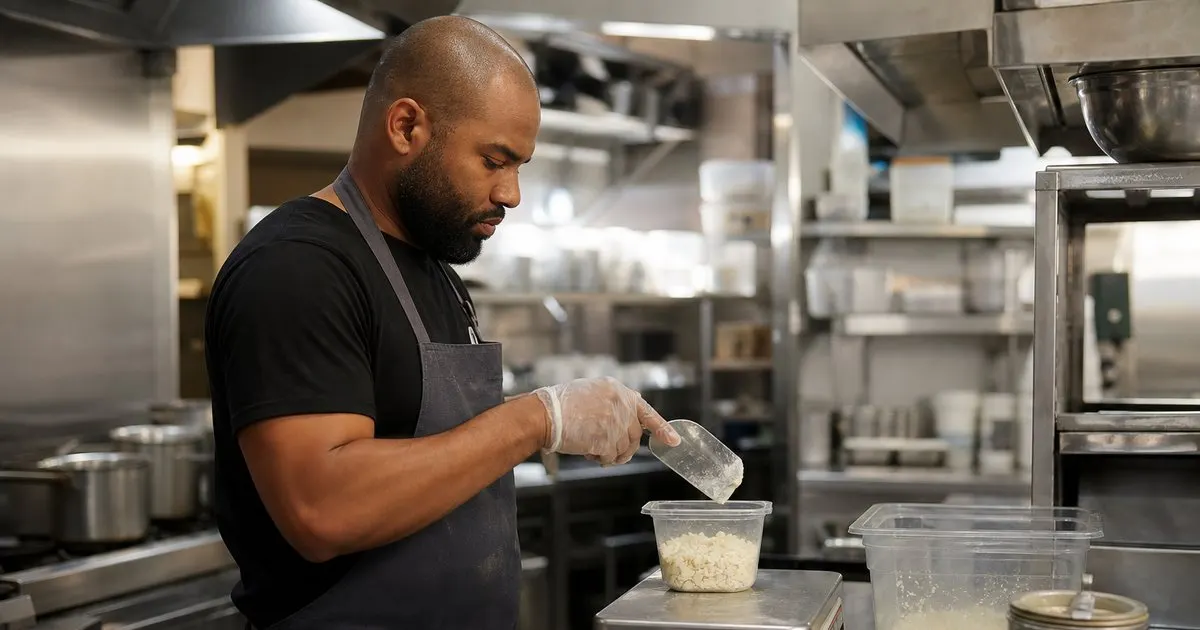
How do you build a daily prep list from par levels the right way?
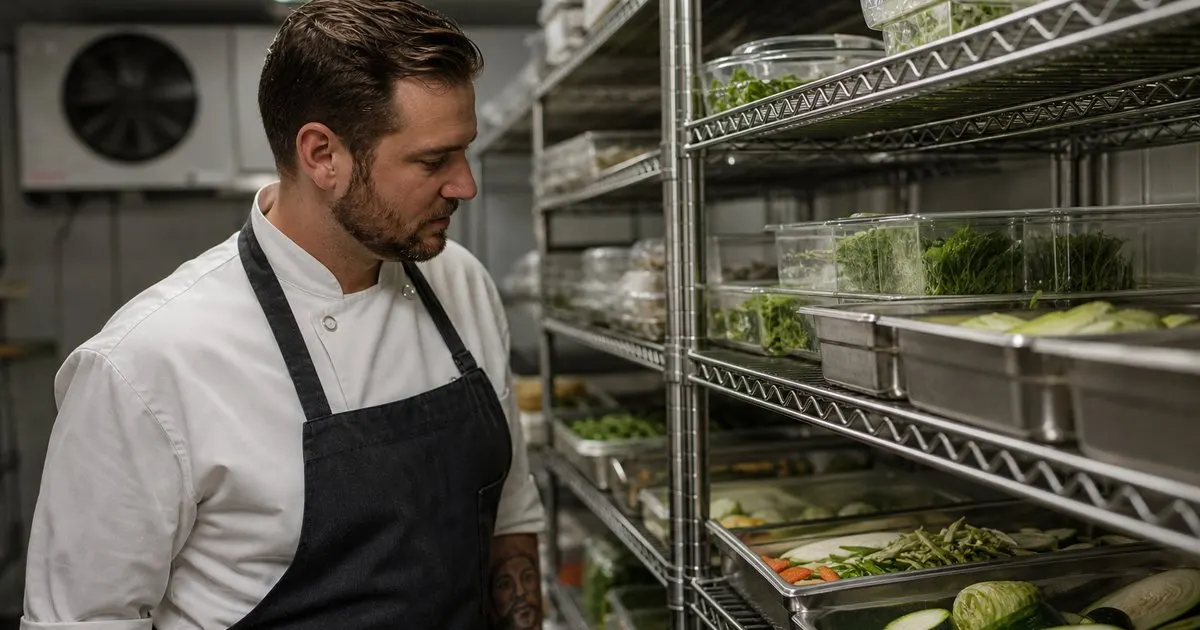
What causes over prep and under prep, and how do you stop both?
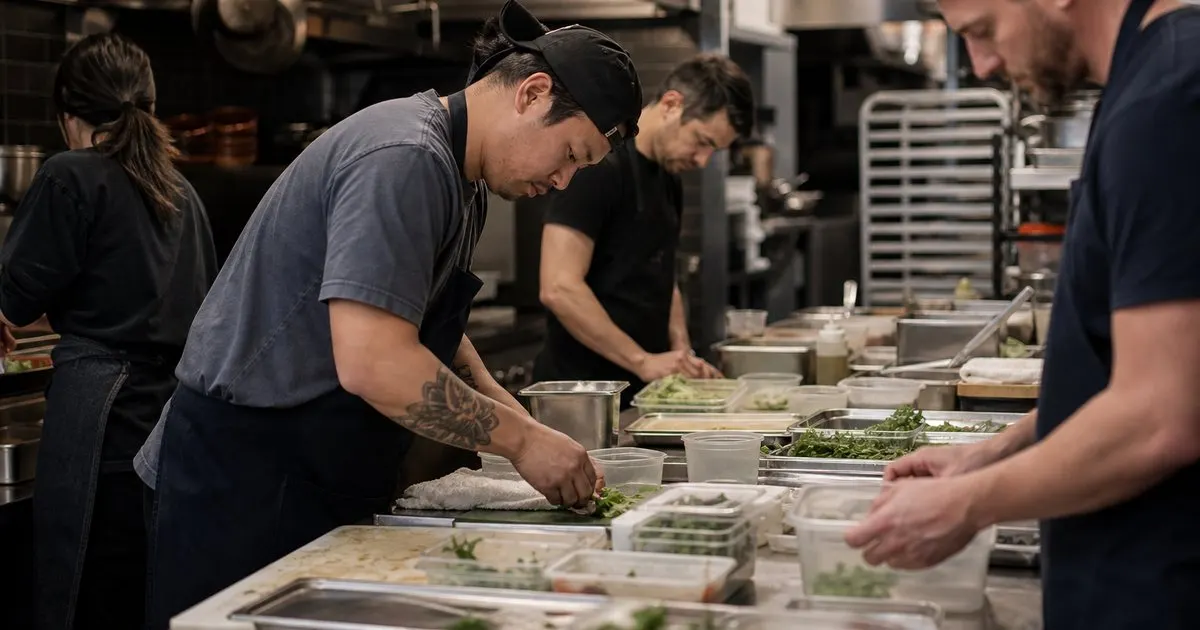
How should you assign prep tasks across stations so nothing gets missed?
Get the PrepDeckr playbook
Practical guides on kitchen prep and production, straight to your inbox as we publish them. No spam, unsubscribe any time.