How do you set a par level for one prep item that feeds several different menu dishes?
Shared components like caramelized onions, house sauce or braised mushrooms are the items most likely to run out and to get over prepped in the same week. Here is how to build one honest par from every dish that pulls from them.
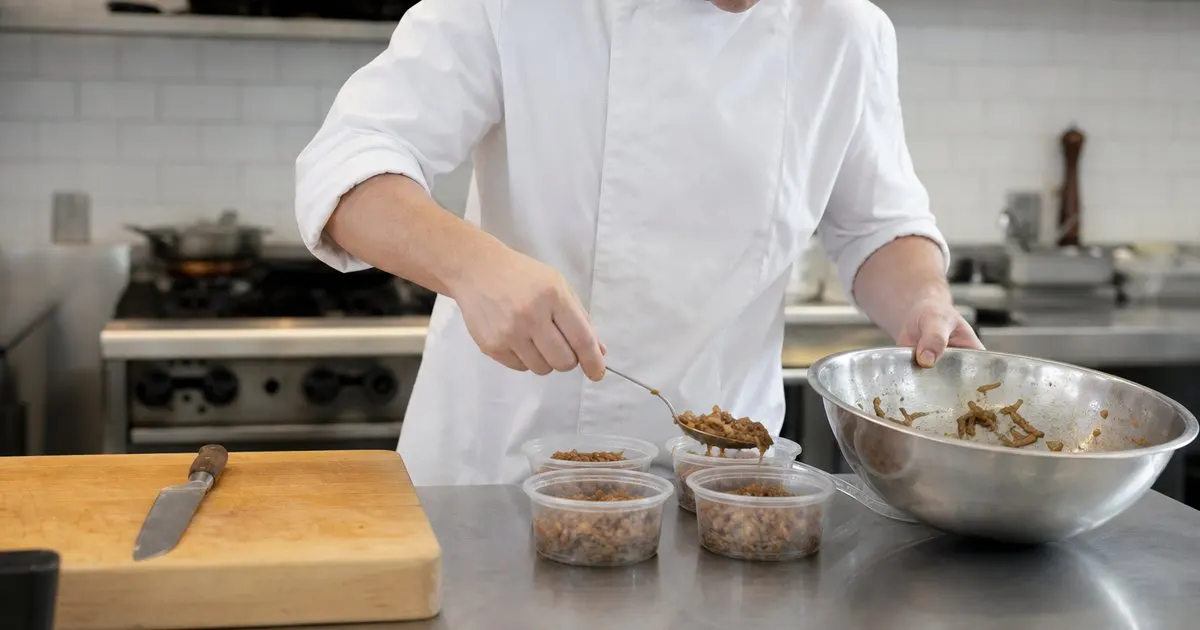
Why one par per dish falls apart on a shared item
A par level is easy to reason about when an item belongs to one dish. Diced chicken for the chicken sandwich is one dish and one number, and if the number is wrong you find out fast and fix it. The trouble starts with the items that quietly feed half the menu: the caramelized onions that go on the burger, the flatbread, the soup of the day and staff meal. Whoever set that par usually had one dish in mind, and the other three are invisible in the number. The pan runs out at seven, and nobody can say which dish drained it, because on paper every dish was covered.
The second failure is slower and more expensive. When a shared item feels risky, cooks pad it. One cook adds a hotel pan because the flatbread has been busy lately, another adds a pan because catering pulled from it last week, and the item ends up carrying two informal pars stacked on top of the real one. You get shortages and waste on the same item in the same week, which is the clearest sign a par is being set by feel rather than by demand. Feel is not stupid, it is just unshareable. Nobody else in the kitchen can inherit it. Related: Why should prep par levels change by day of the week for a kitchen?
Keep reading: How do you build a daily prep list from par levels the right way?, What causes over prep and under prep, and how do you stop both?, How should you assign prep tasks across stations so nothing gets missed?. See how PrepDeckr helps you kitchen prep lists and par-based prep sheets.
Build the par from dish demand, not from the item itself
The math is not complicated, it is bookkeeping most kitchens skip. List every menu item that pulls from the shared component. For each one, write the portion it uses, expressed in the same unit you count the component in: ounces, cups, each. Then take a typical day's count for that dish from your sales mix and multiply. Add the lines together and you have the demand the component actually faces on a normal day. That total, plus whatever buffer you already use on similar items, is the par. In our experience it usually comes out larger than the number the kitchen has been running on, which explains a lot of the seven o'clock shortages. Related: How do you make a prep list any lead can run when you are out?
Do the arithmetic in the unit the walk-in speaks. If your cooks count sauce in quarts, convert every dish line to quarts before you add anything up. Many of the shared item problems we see come down to units: a recipe written in ounces, a par written in pans, a count taken as "about two thirds full". Pick one unit per item, write it on the prep sheet right next to the number, and use that same unit in the recipe, the par and the count. Consistency in the unit will do more for your accuracy than a cleverer formula ever will. Related: How do you build a daily prep list from par levels the right way?
Decide in advance what happens when one dish spikes
Shared items are the ones most likely to be blown up by a single dish. A special that uses the same braised mushroom, a catering order, a good review that pushes one plate hard for a week. Because the component is shared, that spike does not just take down the special, it takes down three other dishes with it. Before that happens, decide which dish has the right to the last portion. Some kitchens protect the flagship item and 86 the special. Some protect the special because it carries the better margin and the guest ordered it on purpose. Either answer works in practice. Not deciding is the one that hurts, because the decision then gets made at the pass by whoever shouts first.
The practical control is to split the par into a base and an add. The base covers your regular menu at typical volume and sits on the prep sheet every day. The add is attached to an event: a special, a party, a catering drop. When the special ends, the add comes off and the base is untouched, which means the item does not quietly keep a party sized par for the next three months. That one habit prevents most of the creep that shows up on shared components, and it makes the base number worth trusting because nothing temporary has been baked into it.
Keep the number honest when the menu moves
A shared par is only correct for the menu that existed the day you set it. Add a dish that uses the same pesto and the par is wrong from the moment that dish goes live, not from the week someone finally notices the shortages. Make it part of the menu change checklist: before a new item launches, list its components, flag the ones that already exist elsewhere, and raise those pars by the new dish's expected count. The same applies in reverse. When you pull a dish, the components it used need to come down, or you will pay for the change in waste for a month while everyone assumes the numbers are still right.
Give every shared item an owner, usually the station that makes it, and keep a short note on the prep sheet listing which dishes depend on it. That note is the cheapest documentation in the kitchen, and it earns its keep every time a new cook asks whether they can pull from the pan for staff meal. In PrepDeckr we attach that dish list to the item so the person counting can see what hangs off it, but you can write the same three words on a paper sheet. The point is that no single person should have to carry it in their head. Related: How should you assign prep tasks across stations so nothing gets missed?
- A shared component needs one par built from every dish that pulls from it, not from the dish that came to mind when the par was written.
- Convert each dish's portion into the same unit you count the item in before you add the lines together.
- Split the par into a base for the regular menu and a temporary add for specials, parties and catering, then remove the add when the event ends.
- Update shared pars on the day a dish launches or leaves, and keep a note on the sheet naming the dishes that depend on the item.

Julien Jimenez
Julien Jimenez is an independent software builder based in Paris. He designs, ships, and operates focused SaaS products for small businesses and independent professionals. Read the full author page.
Build Prep Lists That Match The Day
Kitchen prep lists and par-based prep sheets. PrepDeckr is built to help you put this into practice.
Start free trialMore from the PrepDeckr blog
How do you build a daily prep list from par levels the right way?
What causes over prep and under prep, and how do you stop both?
How should you assign prep tasks across stations so nothing gets missed?
Get the PrepDeckr playbook
Practical guides on kitchen prep and production, straight to your inbox as we publish them. No spam, unsubscribe any time.